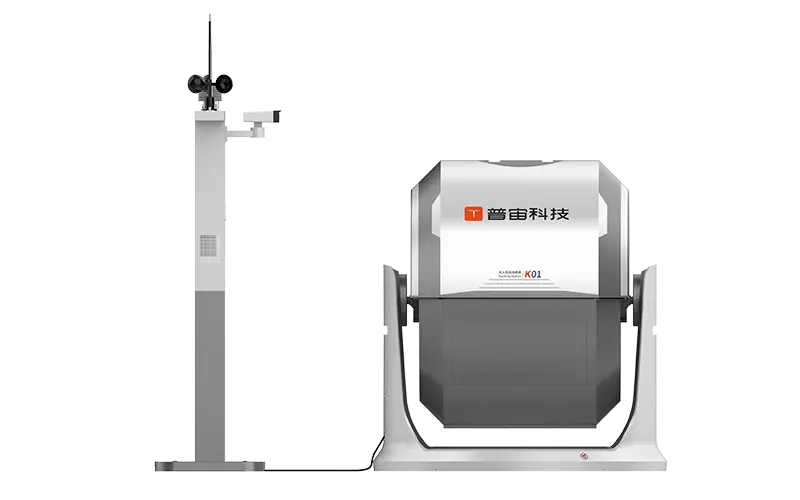
 GDU
GDU
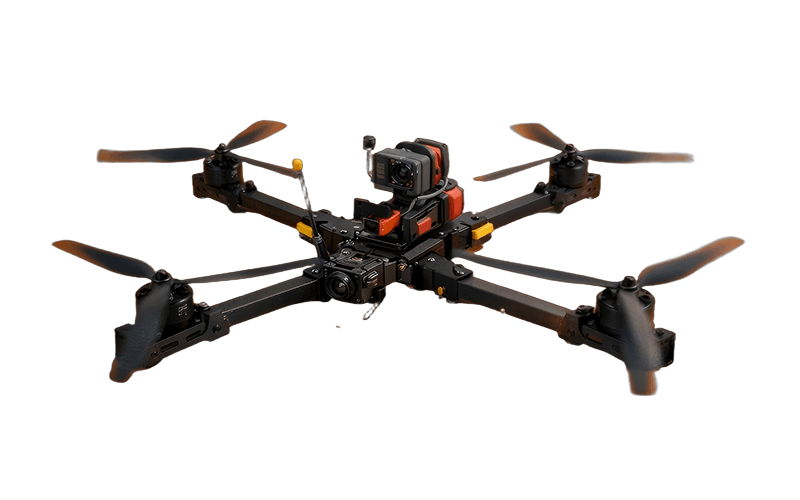 UUUFLY
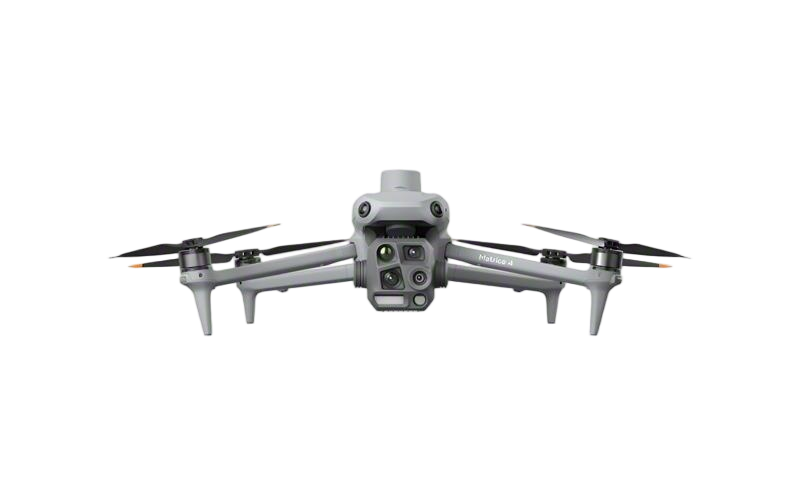 DJI
DJI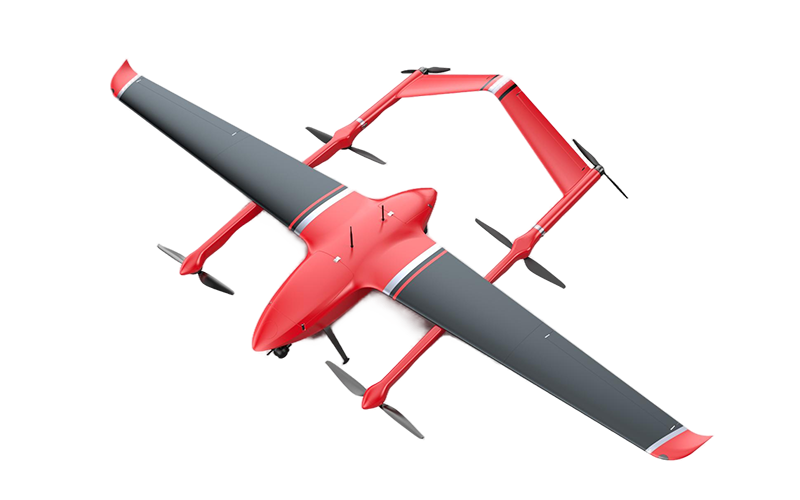 MMC
MMC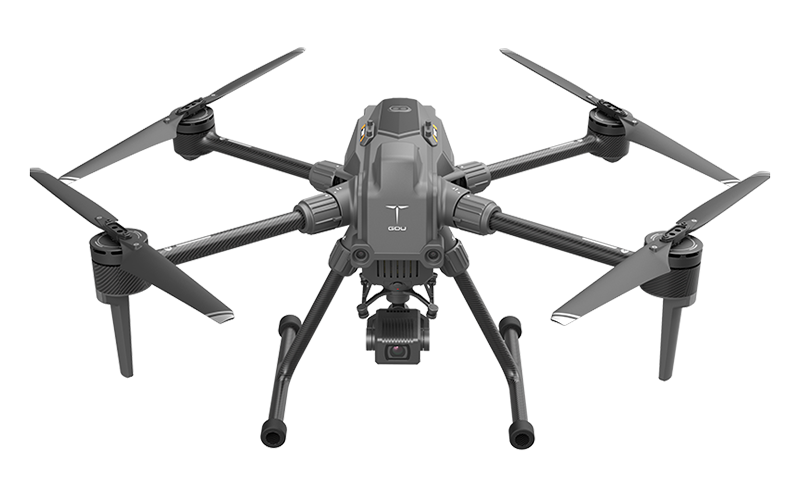 GDU
GDU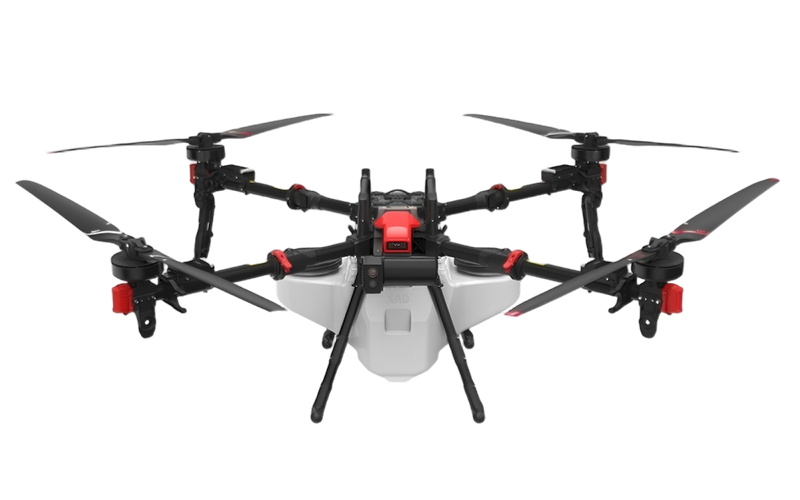 XAG
XAG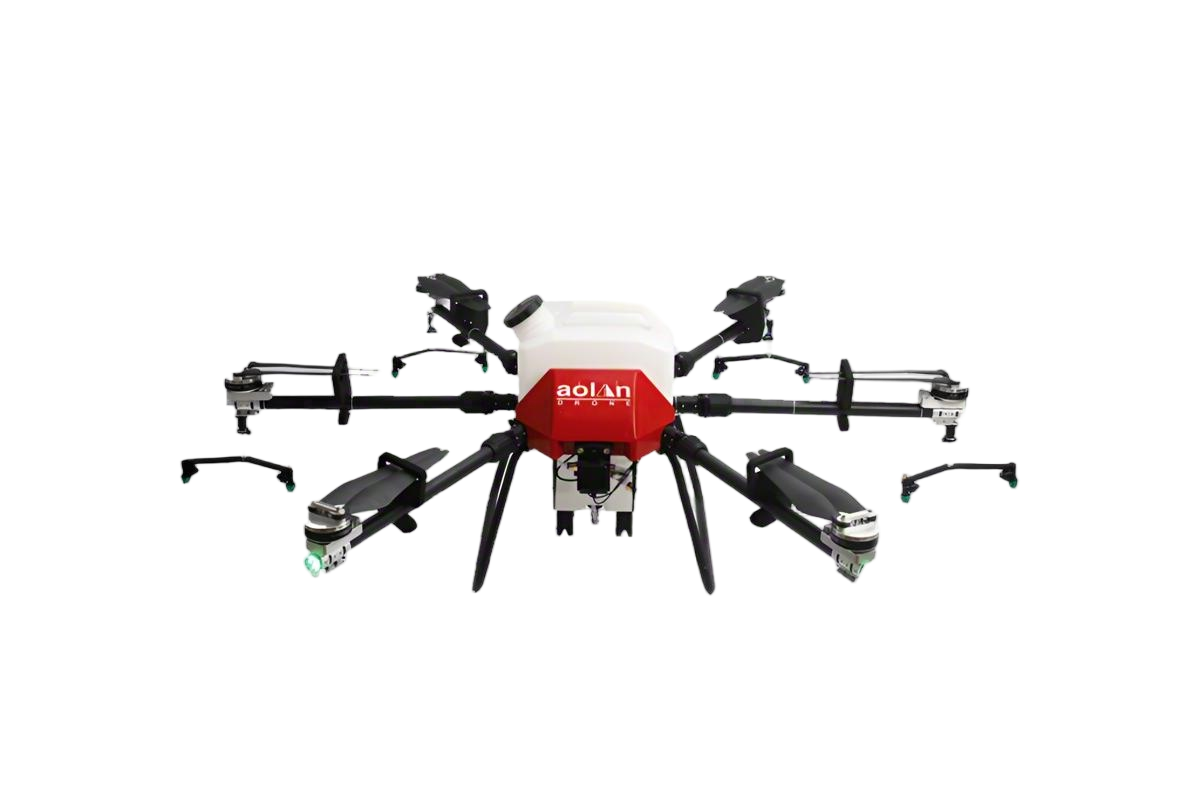 AOLAN
AOLAN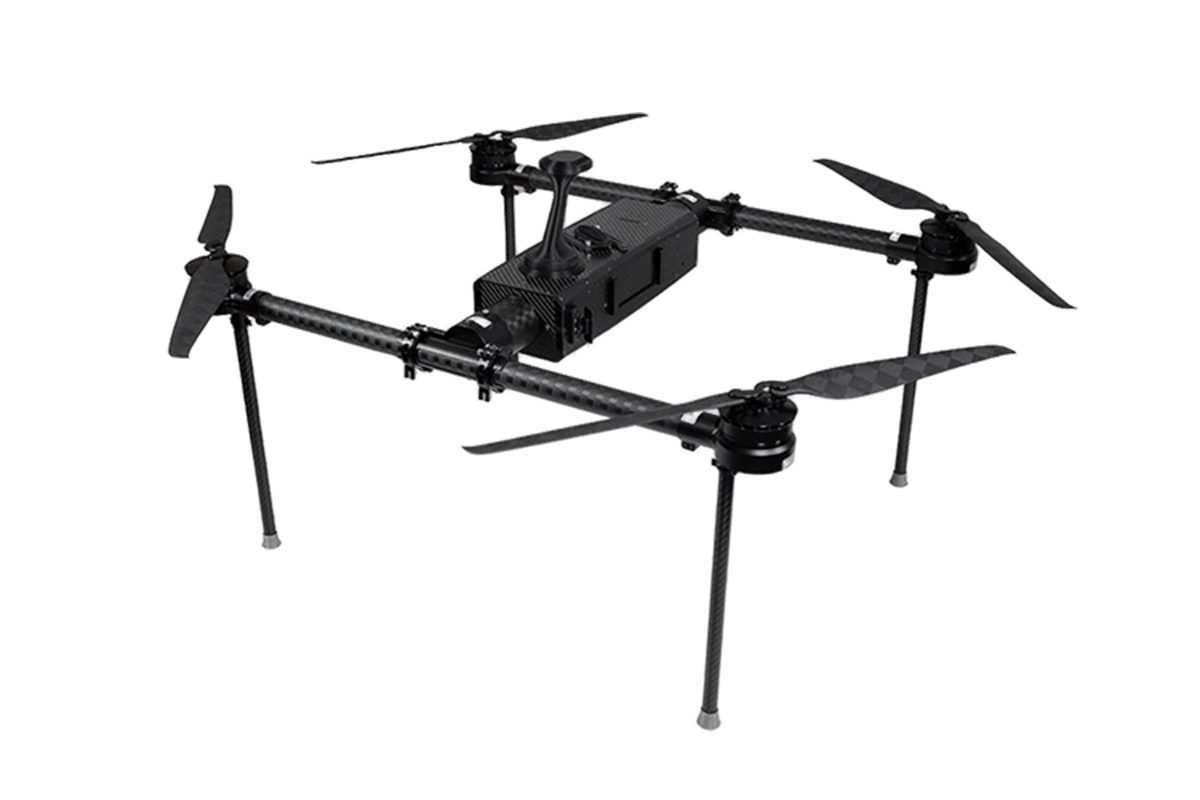 KEEL
KEEL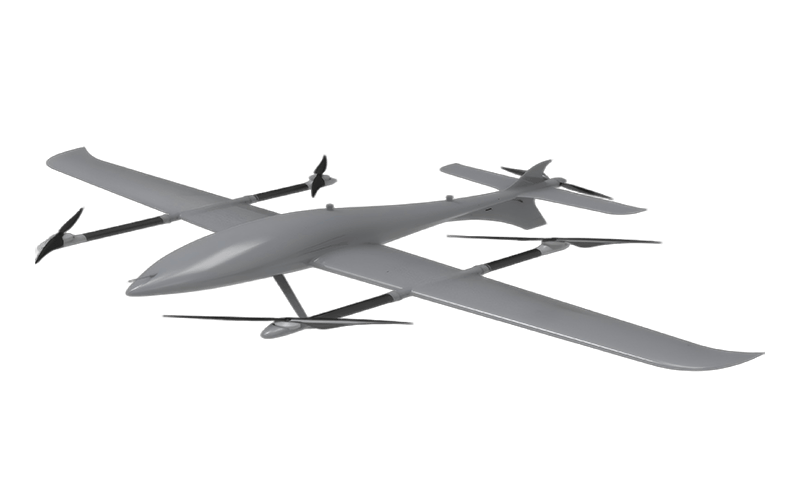 SKY NEXT
- DJI Matrice-4T
- DJI Matrice 4E Drone
- DJI Matrice 4TD
- DJI Matrice 30T
- DJI Mavic 3 Emterprise
- DJI Mavic 3M Multispectral Drone
- DJI RC 2 Plus Industry Plus
- DJI Matrice 4 Series Battery
- DJI Matrice 4D Series Batteries
- TB65 Intelligent Flight Battery
- TB100 Smart Flight Battery
- WB37 Battery
- DJI Accessories

You know, the agricultural world is really jumping on the bandwagon with Farm UAVs (that’s drone tech, for those of us who’d rather just watch the crops grow). These little flying machines are making farming more efficient and precise than ever before. Interestingly, according to a report from Research and Markets, the global market for agricultural drones is expected to hit around $6.52 billion by 2026 — and it’s growing at a staggering rate of over 30% annually. That really shows how much folks are on the lookout for innovative tools to make farming smarter.
Over in China, a few companies are taking the lead when it comes to Farm UAV technology. Names like DJI, XAG, and Yunda Tech are really pushing the envelope, offering some pretty advanced features. Their drones come with high-res cameras and multispectral sensors, which means farmers can get a pretty clear picture of their crops’ health. But, of course, there are some concerns too — mainly about data privacy and who’s really got access to all that info.
That said, the whole market isn’t without its hurdles, especially for people buying from outside China. Sure, these drones promise good quality, but understanding local rules and regulations is super important. Laws can vary a lot from one place to another, so buyers really need to do their homework. As this sector keeps evolving, staying in the loop on these issues is key to making smart, informed decisions when it comes to purchasing these flying farm assistants.

Top Farm UAVs in China: Market Overview and Global Significance
The agricultural drone market in China is rapidly evolving. This growth offers global buyers many options for farm UAVs. These drones enhance productivity in various agricultural processes, from planting to crop monitoring. Advanced technology boosts efficiency and reduces labor costs. The significance of Chinese UAVs in global agriculture cannot be understated. Their affordability is appealing to international markets.
Choosing the right UAV can be challenging. Buyers should consider factors such as payload capacity, flight time, and user-friendliness. Research is crucial in understanding these aspects. Look for vendors with a solid reputation. Consult industry experts for insights on drone performance in real-world conditions.
Tips: Always test a drone before purchasing. It helps to learn its features firsthand. Additionally, prioritize after-sales support. This can ensure smooth operation and maintenance. Global buyers must stay informed about technological advancements. The right UAV can transform farming practices and yield higher returns. Careful selection is vital.
Maximizing Agricultural Efficiency: The Benefits of the Advanced Durable Alloy AL4-30 Sprayer Drone for Large-Scale Farming
In the evolving landscape of large-scale farming, the need for efficient agricultural practices is paramount. The advanced durable alloy AL4-30 sprayer drone represents a significant leap in agricultural technology, specifically designed to optimize the efficiency of farming operations. Its robust construction ensures durability, allowing it to withstand varying environmental conditions while performing essential tasks such as spraying fertilizers and pesticides with precision.
The AL4-30 sprayer drone is engineered for smart farmland management, making it an invaluable tool for farmers seeking to enhance productivity. With the ability to cover extensive areas quickly and effectively, it minimizes labor costs and time investment while maximizing crop yield. The drone's intelligent spraying technology facilitates targeted application, reducing waste and ensuring that each crop receives the optimal amount of nutrients and pest control. This not only leads to healthier plants but also contributes to sustainable farming practices by reducing the overall chemical footprint on the environment.
Adopting such innovative solutions, like the Professional Carbon Fiber AL4-30 Agriculture Sprayer Drone, empowers farmers to stay competitive in an industry that demands continuous improvement and adaptation. As the agricultural sector moves forward, embracing technology-driven efficiencies becomes not only beneficial but essential for future success.

FAQS
: Agricultural drones increase productivity in planting and crop monitoring. They enhance efficiency and reduce labor costs.
Buyers should consider payload capacity, flight time, and user-friendliness. Research and expert consultation are essential.
Testing helps users understand the features and performance of the drone firsthand. It leads to better decision-making.
Multirotor UAVs fly lower for detailed images, while fixed-wing models cover larger areas with longer flight times.
The initial investment can be high. Data processing capabilities vary, making it hard to find the best solution.
Drones provide targeted treatments and help reduce chemical use. This promotes sustainability and enhances crop yields.
Data accuracy is crucial for effective decision-making. Farmers must choose reliable technologies that meet their specific needs.
Yes, each farm has unique challenges and opportunities. Adapting technology to specific environments is vital for success.
Conclusion
The article "Top Farm UAVs in China for Global Buyers to Consider" provides an insightful overview of the agricultural drone market in China, highlighting its global significance. In 2023, China's leading farm UAVs feature advanced capabilities for crop monitoring, enabling efficient agricultural practices. The comparison of various UAV models illustrates distinct differences in their monitoring functionalities, catering to diverse farming needs.
Furthermore, the regulatory landscape surrounding agricultural drones is discussed, showcasing both domestic and international regulations that impact their deployment. The article also explores emerging technologies within China's UAV agriculture industry, projecting significant market growth for farm UAVs through 2025. Case studies of successful UAV adoption in Chinese agriculture serve as practical examples of their effectiveness. Overall, the article emphasizes the potential of farm UAVs to revolutionize agriculture and attract global interest.
Related Posts
-

How to Choose the Best Agri Drones for Your Farming Needs?
-

Top Benefits of Agriculture UAVs for Modern Farming Practices
-

Top 10 Farming Drones in China for Global Buyers Guide?
-

How to Choose the Best Agricultural Drones for Your Farm?
-

Farming Drones Tips for Boosting Your Crop Yields?
-

How to Choose the Best Agriculture UAV for Precision Farming?
